





I didn’t buy my first pilot watch because I wanted to feel like a pilot (And I'm not a pilot, obviously). I bought it because I wanted a watch that looks refined, clean, and looks good.
My initial thoughts when I first heard about Lipot watches were quite intimidating; "it's made for pilots, surely it's too much for me." Then I realised a good pilot watch isn’t about aviation at all. It’s about restraint. And when you’re buying your first one, a few things matter more than you think. Here's something I've learned during my days of trying to get my first pilot watch.
Legibility Is the Whole Point
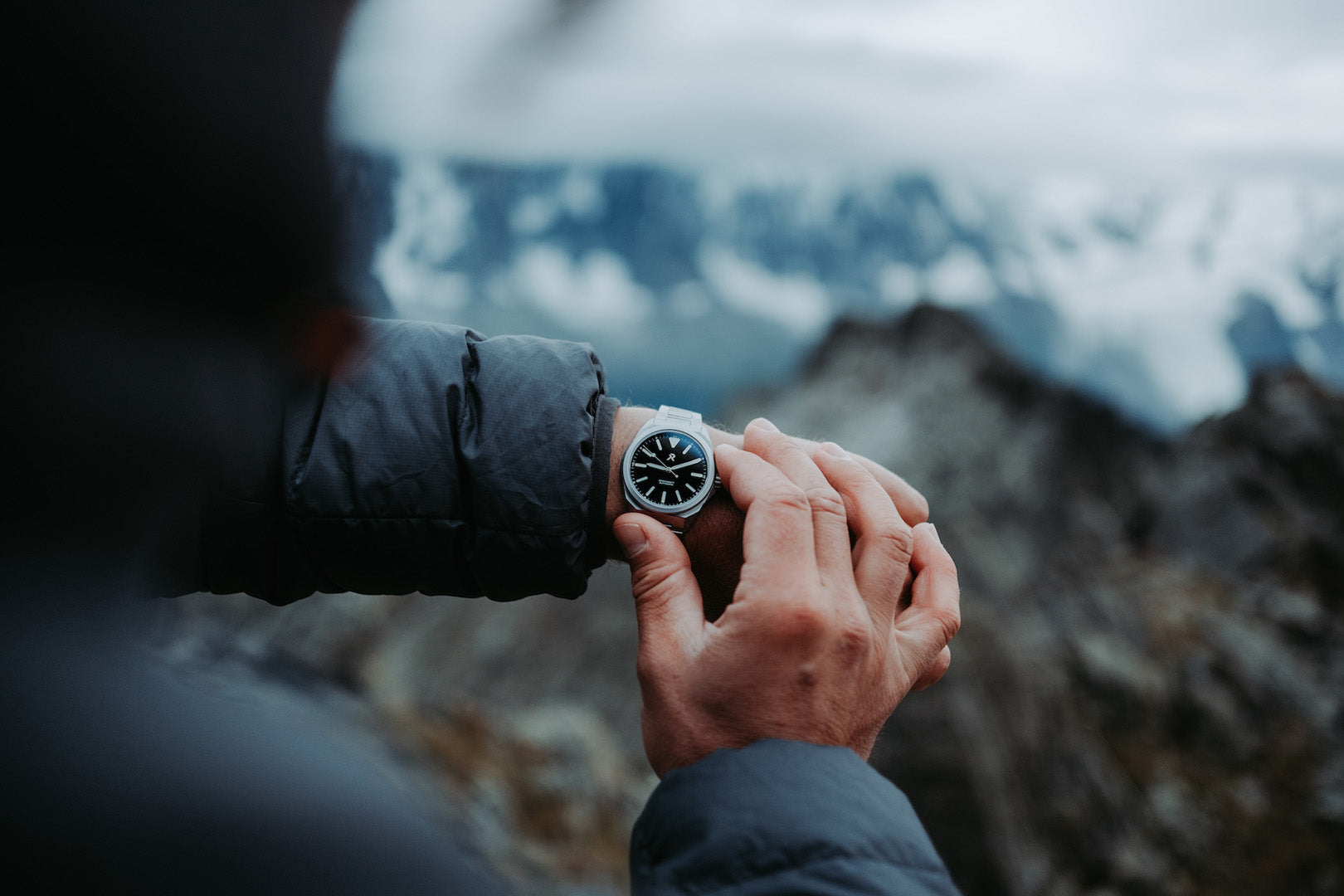
The first thing I learned is that pilot watch is all about legibility. Legibility means one where the quality is easy to read. And soon I realised that pilot watches are designed around the direction of "easy to read time".
When the watch is on the wrist, I should be able to glance and see the time easily without having to push the dial up to my face. If I have to think about it, the watch has already failed. The best pilot watches disappear until the moment you need them, then deliver the time instantly. High contrast, clean numerals, simple hands. No clutter. No distractions.
Once you experience that level of clarity, it’s hard not to notice the difference with some other watches that don't have such legibility.
Dial Design Sets the Tone
I learned early that not all pilot dials feel the same. Some are clean and open, others feel more technical and dense.
Most pilot watches trace back to two classic layouts.
-
Type A: Clean, 1–12 numerals. Balanced, timeless, and beginner-friendly.
-
Type B: Outer minute track (5–55) with a smaller inner hour ring. More “tool,” more character, slightly busier.
For a first pilot watch, that balance matters. You want something that feels timeless, not costume-like. My style preference is always less is more. Whilst some complicated dials look super appealing, the noise doesn't really carry over well the longer you wear it. Find something that strikes a good balance and can be worn in most settings.
Size Is About Balance, Not Tradition
Pilot watches have a reputation for being big, and yes, historically, that’s true. This mainly comes down to legibility. However, modern pilot watches try to overcome that by creating several size options that are still fairly large but proportionate to the wrist of the wearer.
Wrist sizes vary, whilst some might look good on a 38mm dial, others might find it super tiny, the same as a traditional 42mm dial. At the end of the day, what works for you matters the most.
I tried watches that felt impressive in photos but awkward in real life. Too much presence. Too much noise. The one that stayed was the one that felt natural—large enough to feel purposeful, small enough to forget about.
The Crown Tells You Everything
This surprised me more than it should have. A good pilot watch crown feels intentional. Easy to grip. Solid when you turn it. Nothing sharp, nothing flimsy. It’s one of those details you don’t notice until it’s done poorly, and then you notice it every day.
That’s when I realised pilot watches are about touch as much as sight.
Straps Change the Watch Completely
One thing I didn’t expect: how much the strap defines the watch.
Leather made it feel warm and classic. Fabric made it feel ready for travel. And as always, you can never ever go wrong with a steel bracelet. Swapping straps gave the watch new personalities without changing the watch itself.
A good pilot watch or just any good watch in particular should invite that flexibility. I tend to shy away from watches that can't really handle different types of straps, as I'm more of a GADA watch type of person. Despite the type of the timepiece, I always try to wear it on different occasions as I like to travel with 1 (or maximum 2 watches) whenever I'm on the road.
Lume Should Be Useful, Not Theatrical
This is a rather straightforward point, I reckon. Lumes are cool, but sometimes having too much lume can be unappealing. I don’t need my pilot watch glowing like a torch, but I do want it legible at night.
Hands first. Markers second. Clean, even application. When lume is done well, you stop thinking about it entirely. And that’s exactly the point.
Complications Are Optional
My motto is always gonna be Less is More when it comes to choosing the right watch. There's a charm to having the right balance on a dial face. You want it to look sophisticated without it being too loud, and yet being able to enjoy every single design detail that is being placed onto the watch.
A timepiece's main function is to tell time. Hence, time is the focus, and everything else is a bonus. For a first pilot watch, simplicity keeps the watch honest and keeps you connected to why you wanted one in the first place.
In the End, It’s About How It Makes You Feel
I believe many of the points above can be applied to other watches besides the pilot watch. But I'm sure you understand the point I'm trying to preach here. The right pilot watch doesn’t make you feel like you always have to justify wearing it. It's just one that fits into your daily routine and lifestyle.
I personally don't buy watches because of the specs that are written in tiny fine print. I buy it because, first of all, I love it and it resonates with a certain part of my identity and lifestyle, or I just really, really love it.
If a watch gives you that feeling, you don’t need to justify it. You’ve already made the right choice.


