






As a traveller/adventurer, I like the idea of returning to the same place over and over again. Year after year. There’s a strange comfort in it, not because it’s flawless or promises something new, but because it asks less of you each time you arrive.
At first glance, it doesn’t make much sense. We live in a culture obsessed with discovery, new destinations, new routes, and new experiences. We measure adventure by novelty. Yet, despite all that, we still find ourselves driving the same road, pitching the tent in the same clearing, standing at the same lookout as if drawn by instinct rather than intention.
And maybe that’s the point.
There was this one location that I've made a trip to (4 years in a row now) every year. It's a 5-hour detour off the main road from Adelaide to Melbourne, but I absolutely love the experience. The place is called Portland.
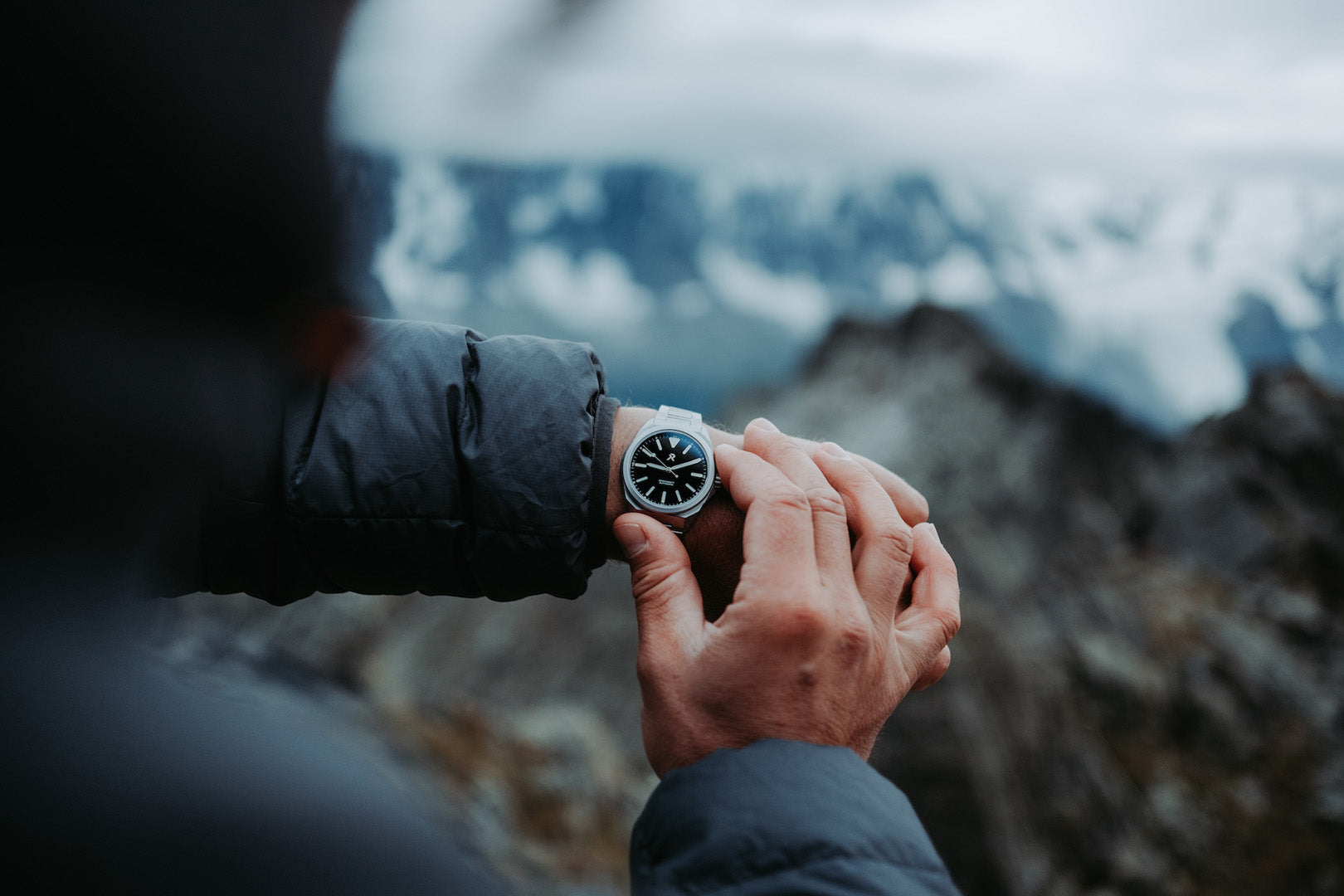
 The photo above was taken last year, the one below was taken in 2023
I first discovered this place during my first photoshoot for RZE Watches. I wanted to find a location that was barren and empty to feature one of the Resolute Watches.


This was the watch mentioned. And ever since that trip, I fell in love with the aesthetic of that location. And I've been back every year since.
When you visit a place for the first time, you experience it actively. You observe the light, the weather, and access points, staying alert and curious while remaining slightly guarded. Your perception is superficial because you're still getting a feel for the environment and its rhythm. That was definitely the case for me as I was trying to scout for a perfect spot to take the photo.
 Same location photo taken in 2024
The second time, you start noticing what you missed. How the light shifts earlier than you expected. How does the place feel in slightly warmer/cooler weather? Which direction does the wind usually come from? Where the silence feels heavier. The place begins to reveal itself, slowly, on its own terms.
I was definitely more present at that location the second time. I felt less anxious since I had been there before, making the experience more relaxing. I wasn't working then, so I could explore the surroundings more thoroughly.

By the third or fourth return, something changes. You stop trying to extract value from the place. You let it be what it is. And in doing so, it starts giving something back.
Those were the times I visited simply because I loved it. I enjoyed its barren, solitary nature and the sound of giant swells crashing into the blowholes. The best part was that I was more present than ever, soaking in every detail.
Familiar places remove friction. You know where to park. You know which track is worth the walk and which one isn’t. You know where to stand without thinking about it. That mental load disappears, and what’s left is presence. You’re no longer managing the experience; you’re inside it.
That’s when the place stops being a destination and starts becoming a reference point.
We return because familiarity creates space. Space to think. Space to notice small shifts; the way the ground feels firmer after rain, or how the air smells different depending on the season. These details don’t announce themselves to first-time visitors. They wait for commitment.

There’s also something honest about repetition. It strips away the performance of adventure. No need to prove you were there. No urgency to document every angle. Sometimes you don’t even bring the camera out. Sometimes the watch stays under a sleeve. The experience becomes quieter, more internal.
Returning to the same place is a way of checking in with the landscape and with yourself.
You notice how you are different this time. What you’re carrying. What you’re not. The place stays mostly the same, and that contrast becomes revealing. It’s a subtle measurement of time passing, not in milestones, but in mood and mindset.

In a world that rewards constant movement, staying loyal to a location feels almost rebellious. It suggests that depth matters more than distance. That knowing something well can be more meaningful than seeing something once.
The truth is, we don’t go back because the place is unchanged.
We go back because it changes just enough, and so do we.

The same path feels different when you’re tired. The same horizon hits harder when you’ve had a long year. The same quiet suddenly feels earned.
These places become anchors. They ground us when everything else feels transient. They don’t demand novelty. They reward attention.
And maybe that’s why I keep returning.
Not to relive the past, but to stand in the same spot and realize we’re not the same person who stood there before.


