


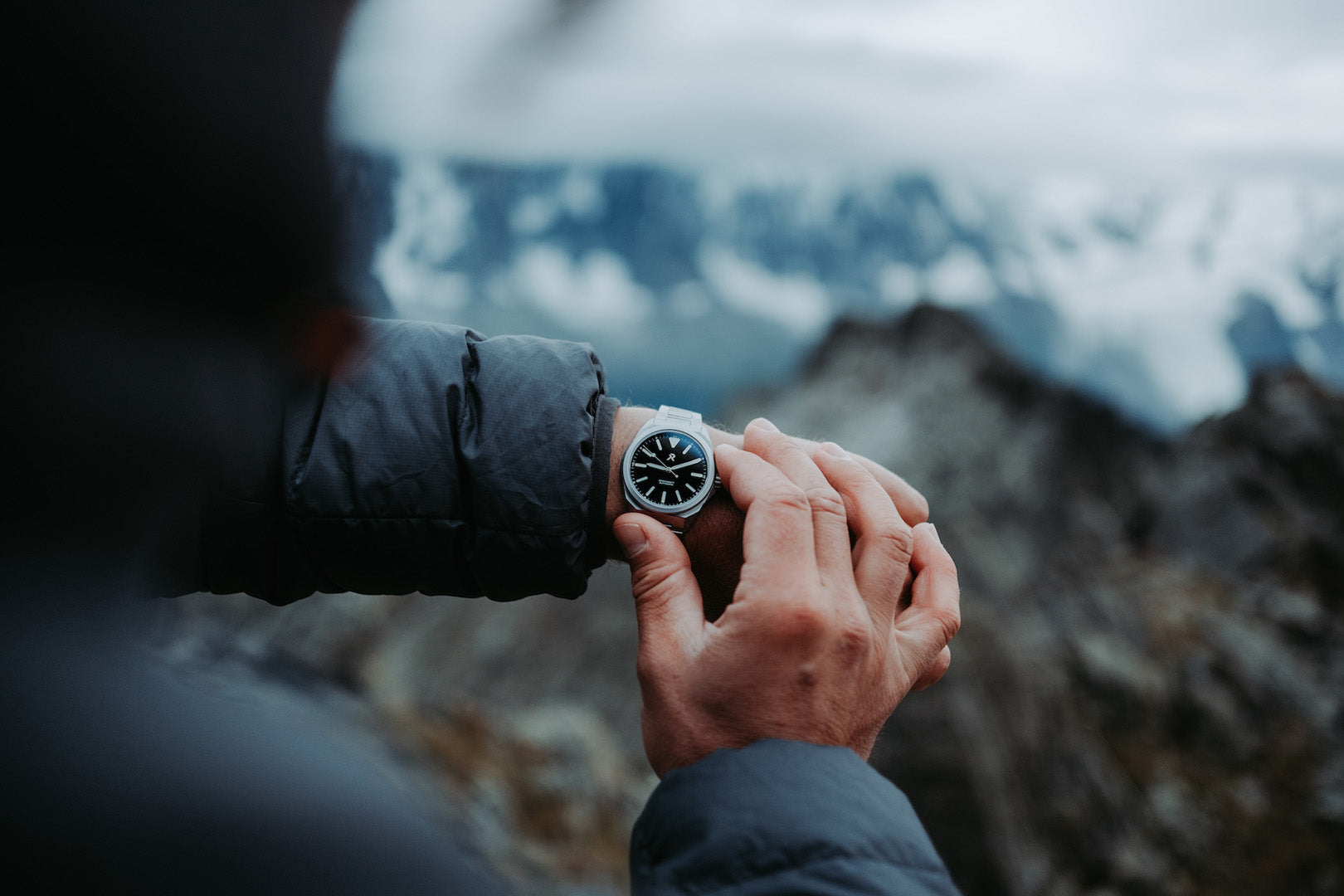



There’s a moment on every adventure, usually unplanned, often fleeting, when the light shifts, the scene aligns, and you realize this is it. Not the destination, not the highlight pinned on a map, but a quiet, in-between moment you didn’t know you were looking for. If you don’t have a camera with you, that moment happens only once. Then it’s gone.

We live in an age where experiences are curated for speed. We move through places quickly, documenting them even faster, collecting proof rather than presence. Packing a camera, an actual camera, not just the phone already in your pocket, forces a subtle but meaningful change in how you travel. It asks you to slow down.
A camera turns observation into intention. You stop walking past scenes and start noticing them: the way dust hangs in the air at golden hour, the quiet geometry of a campsite at dawn, the worn texture of a trail sign that has seen more stories than you ever will. When you carry a camera, you aren’t just passing through a place, you’re studying it.
As a photographer, you may assume these takes are biased, but I can assure you that bringing a camera (regardless of the model) on your trip is one of the best decisions you can make.
A camera changes the way you see things
When you carry a camera, you pay attention differently. You'll start noticing how light hits, not just the scenery, the way dust hangs in the air at golden hour, the quiet geometry of a campsite at dawn, the worn texture of a trail sign that has seen more stories than you ever will. When you carry a camera, you aren’t just passing through a place. You’re studying it. You look for moments, not just destinations. A camera slows you down in a good way; it invites you to observe rather than rush through.

Suddenly, a roadside stop isn’t just a break. It’s a frame. A story. A pause worth noticing and worth capturing.
 Memories fade, images anchor them
There’s also a difference between remembering where you went and remembering how it felt. Locations fade. Feelings linger. A photograph taken with care has a way of transporting you back—not just to the view, but to the temperature, the silence, the fatigue in your legs, the satisfaction of having earned that moment. Long after the trip is over, those images become emotional anchors, grounding memories that would otherwise blur into one another.
So many times, I look back at my photo archives, and it reminds me of what happened and evokes how it felt. The Joy. The exhaustion. The accidental detour you had to take. Years later, a single image can pull you back more vividly than any story you tell yourself.

Becoming a father has been one of the biggest highlights of my life over the past few months. And having a dedicated camera to capture this moment on a road trip is truly priceless.
A camera makes you part of the narrative

Handing a camera to someone else or setting it down on a rock with a timer puts you in the frame. Not just as the driver, the planner, or the parent, but as someone who was there. These images become proof that you didn’t just facilitate the adventure you lived it.
 One day, those photos won’t be for you alone.
Gear doesn't matter so long as it works
The word camera can be intimidating to many people. When people think about a camera, they might wonder how much they need to spend to get the right one for this trip or adventure. The thing is, it doesn't matter what camera you bring.
Whether it’s a small mirrorless camera, an old film body, or something you’ve owned for years, the camera you bring is less important than the act of bringing one at all. Packing a camera is a quiet decision to engage more deeply with where you are.
Even as a photographer, I don't carry huge cameras on every trip. In fact, I prefer small, compact ones that don't hinder me from capturing moments that matter to me.

So yes, make room for a camera because adventures don’t just deserve to be experienced, they deserve to be remembered, revisited, and passed on. And sometimes, the photograph you almost didn’t take becomes the one you’re most grateful for.


