





In a world where time unfolds not just through seconds and minutes but through bursts of data, notifications, and biometric feedback, the humble wristwatch exists in an intriguing duality. In this modern digital era, the debate between analog and digital watches is less about practicality and more about what we choose to value: tradition or innovation, sentiment or efficiency, ritual or immediacy.

At first glance, the digital watch wins the battle of function. Built on decades of rapid technological progress, today’s digital timepieces—whether smartwatches from tech giants or feature-rich sports models from specialized brands—offer connectivity, health tracking, GPS navigation, and a wide range of apps that go far beyond just telling time. For everyday tasks and performance metrics, digital watches are clearly superior. They fit perfectly into a connected lifestyle where information and quick responses are valuable.
The lasting appeal of analog timepieces
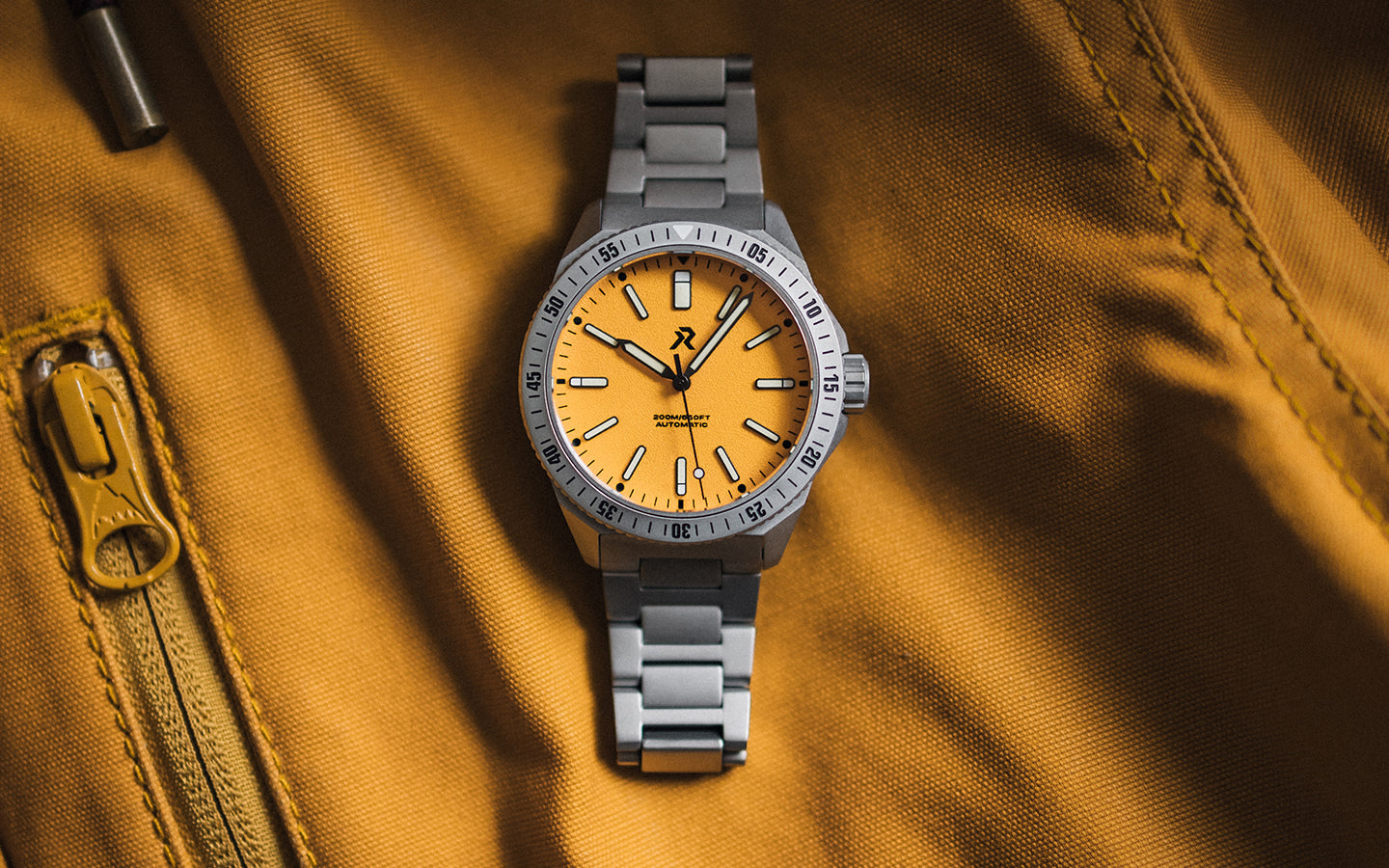
Yet, despite digital dominance in raw capability, analog watches have not faded into obsolescence. If anything, they are thriving in a way that defies the logic of technological progress. The lasting appeal of analog timepieces lies not in what they can do, but in what they represent. An analog watch is a crafted object—a tactile celebration of gears, springs, and artistry. It evokes a deliberate experience: glancing at a dial, feeling the weight on your wrist, sharing in a legacy of design that stretches back more than a century. In an era of screens and alerts, that quiet analog presence offers a moment of respite.
 This contrast—between analog’s deliberate simplicity and digital’s multifunctional richness—is what defines their coexistence today. Digital watches serve a life in motion: athletes tracking performance, professionals managing schedules, and health-conscious wearers monitoring vital signs. They enable us to do more, faster. Analog watches, on the other hand, serve a life of reflection: moments when precision feels more poetic than practical, when heritage and aesthetics are as important as efficiency.
The marketplace shows this duality. Luxury watch brands still do well, and good microbrands are attracting the attention of watch enthusiasts and first-time watch owners alike. Collectors and newcomers both prefer mechanical movements and the stories behind them. Meanwhile, digital and hybrid smartwatches are also selling strongly, driven by consumers seeking the latest features and seamless integration with their digital ecosystems.
What’s perhaps most interesting in this day and age isn’t which type of watch is “better,” but how the two categories influence each other. Analog watches increasingly adopt thoughtful design cues from the digital world—durable materials, ergonomic cases, and hybrid models that subtly incorporate connectivity while keeping classic dials. Digital watches, on the other hand, often imitate analog aesthetics with dial-like displays or mechanical-inspired graphics, recognizing that the emotional appeal of analog watches remains strong.

It's never about who's the best.
Ultimately, the analog versus digital debate isn’t about winning. It reflects how we choose to experience time itself. Some prefer precision and constant connection; others prioritize presence and meaning. Some wear a digital watch as an extension of their digital life; others choose analog as a link to tradition and craftsmanship. Many wear both—because time, after all, isn’t just a measure. It’s a story to tell.
In a world moving quickly, both analog and digital watches hold their place—reminding us that timekeeping is as much about the heart as it is about the hands or the code.


